Retail training
Cleanser, moisturizer, barrier: what counter staff should be able to answer
Nine questions customers actually ask at the shelf, with answers a part-time clerk can give confidently — and a clear line they should never cross.
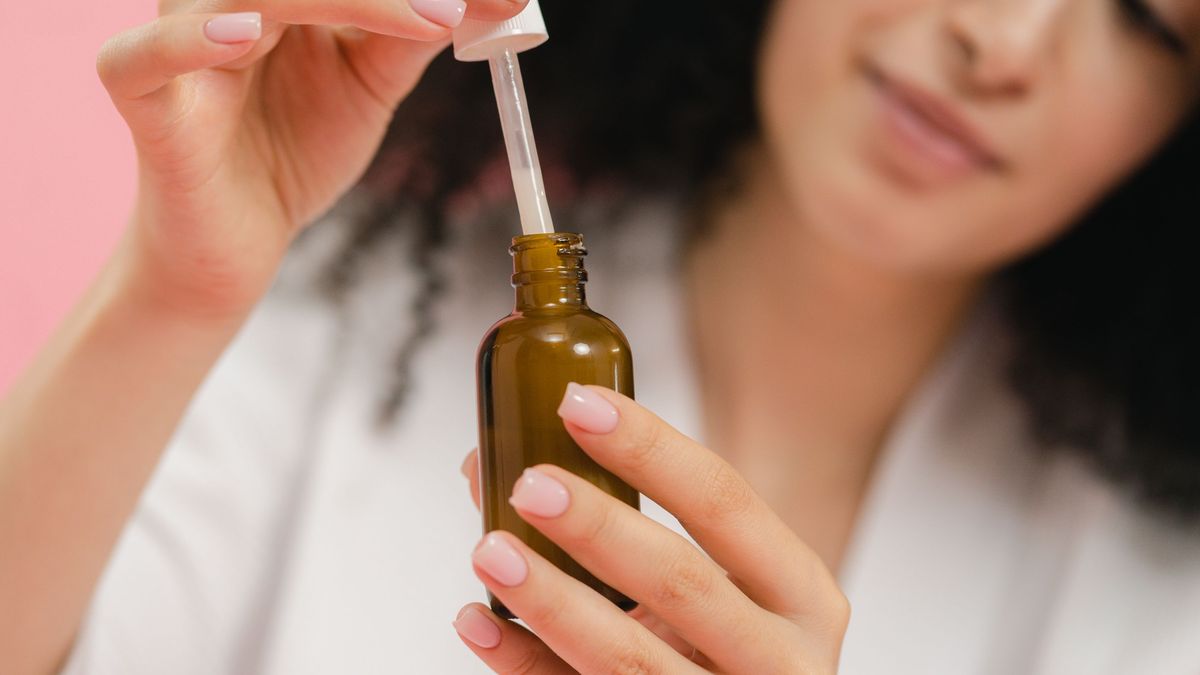
A customer standing in front of forty white bottles has one question, and it is almost never the one they ask out loud. The question is "which of these is for me?", and the person who can answer it in two sentences sells the $24 moisturizer instead of the $9 one.
You do not need a licensed esthetician on the floor for that. You need three or four staff who can hold a short, confident, honest conversation and who know exactly where it stops.
The line nobody should cross
Retail staff do not diagnose, do not name conditions, and do not tell anyone to stop or start a prescription. If a customer describes something painful, spreading, weeping, or not improving, the answer is one sentence: "That is worth having a pharmacist or a doctor look at — I do not want to guess." Say it warmly and mean it. Customers trust a shop that refuses to guess far more than one that always has an answer.
Everything below sits comfortably on the retail side of that line.
Nine questions and how to answer them
1. "What is the difference between these two cleansers?"
Foaming versus non-foaming, and that is usually the whole answer. Foaming cleansers feel like they are working and suit oilier skin; non-foaming, creamy or micellar options are gentler and suit dry or easily irritated skin. If someone's skin feels tight after washing, they are using the wrong one.
2. "Do I need a serum?"
No. A cleanser and a moisturizer is a complete routine, and a serum is an addition for a specific goal — brightness, texture, fine lines. Say that plainly. It sounds like it costs you a sale; it buys you the customer for two years.
3. "Which moisturizer is best?"
Best for what. Lotion for normal skin and daytime, cream for dry skin, ointment for cracked or very dry patches and overnight. Then pick two on the shelf at different prices and let them decide between them.
4. "What does fragrance-free actually mean?"
No added fragrance in the formula. It is not the same as "unscented", which can mean masking fragrance was added to hide a base smell. For sensitive skin, fragrance-free is the safer read of the two.
5. "What is a ceramide?"
A lipid the skin already makes that helps hold moisture in. Products with ceramides are formulated to support that barrier. That is enough — nobody at a shelf wants the biochemistry.
6. "Can I use this with my prescription?"
Stop. That one goes to the pharmacist. Gentle cleanser and plain moisturizer are broadly safe alongside most topicals, but the answer to the question as asked is a referral, every time.
7. "Mineral or chemical sunscreen?"
Mineral (zinc, titanium) sits on the skin, suits sensitive skin and children, and can leave a white cast. Chemical absorbs, feels lighter, and disappears on more skin tones. Both work when applied properly and reapplied. The one someone will actually wear every day is the right one.
8. "How long until this works?"
Moisturizers, immediately. Cleansers, a week or two for the skin to settle. Actives like retinol or vitamin C, six to twelve weeks, and expect a rough patch in the first fortnight with retinol. Honest timelines prevent returns.
9. "Is the big one better value?"
Do the maths out loud — cost per ounce, said in one line. It is the single easiest trade-up in the category and it makes you look like you are on their side, because you are.
"I do not want to guess" is the most valuable sentence a retail assistant owns. It costs one sale and earns a decade of them.
A three-step frame that fits any conversation
- Ask one question. "Is your skin more dry or more oily?" — or, better, "does it feel tight after you wash?" One question is enough to halve the shelf.
- Offer two options. One in the core tier, one in the recommended tier. Never three, and never a whole shelf.
- Give one honest caveat. "This one is richer, so some people find it too much in summer." A caveat is the thing that makes the recommendation believable.
Fifteen minutes a week is enough training
Pick one SKU each week. Put it on the counter. Answer four questions about it as a team: who is it for, what does it feel like, what is next to it on the shelf that it competes with, and what would make it the wrong choice. Twenty SKUs a season covers the whole never-out list, and it costs a quarter of an hour.
Two additions that pay for themselves:
- Let staff try the products. Nobody sells a texture they have never felt. A single unit of each hero product, opened and kept behind the counter, is the cheapest sales training in retail.
- Write the answers down. One index card per SKU, in a box by the till. Part-time staff and seasonal cover cannot attend a meeting they were not scheduled for.
What to do about returns
Skincare returns are mostly a mismatch, not a defect. Ask what happened before offering the refund: "too rich", "stung", "did nothing" each point at a different product on your own shelf. A refund that ends in a swap is a retained customer; a refund that ends at the door is a lost one. If the product itself looks wrong — separated, discoloured, off-smelling — take the batch code down and tell your supplier. We want to hear about it inside 5 business days of delivery, and we would rather credit a case than have it sold.
Key takeaways
- Retail staff never diagnose — anything painful, spreading or not improving goes to a pharmacist or doctor.
- Ask one question, offer two options, give one honest caveat. That frame fits every skincare conversation.
- Foaming vs non-foaming, lotion vs cream vs ointment, mineral vs chemical — three distinctions cover most of the floor.
- Fragrance-free is not the same as unscented; say so when someone asks.
- Fifteen minutes a week on one SKU, with an index card by the till, trains part-time staff better than any seminar.
Keep reading

Reorder cadence: how often an independent store should actually restock
Weekly, fortnightly or monthly — the arithmetic behind the choice, and why the freight threshold usually decides it.

Storing skincare stock: heat, light and the 12-month rule
Emulsions separate and SPF loses potency long before a label says expired. The storage envelope we hold and why.